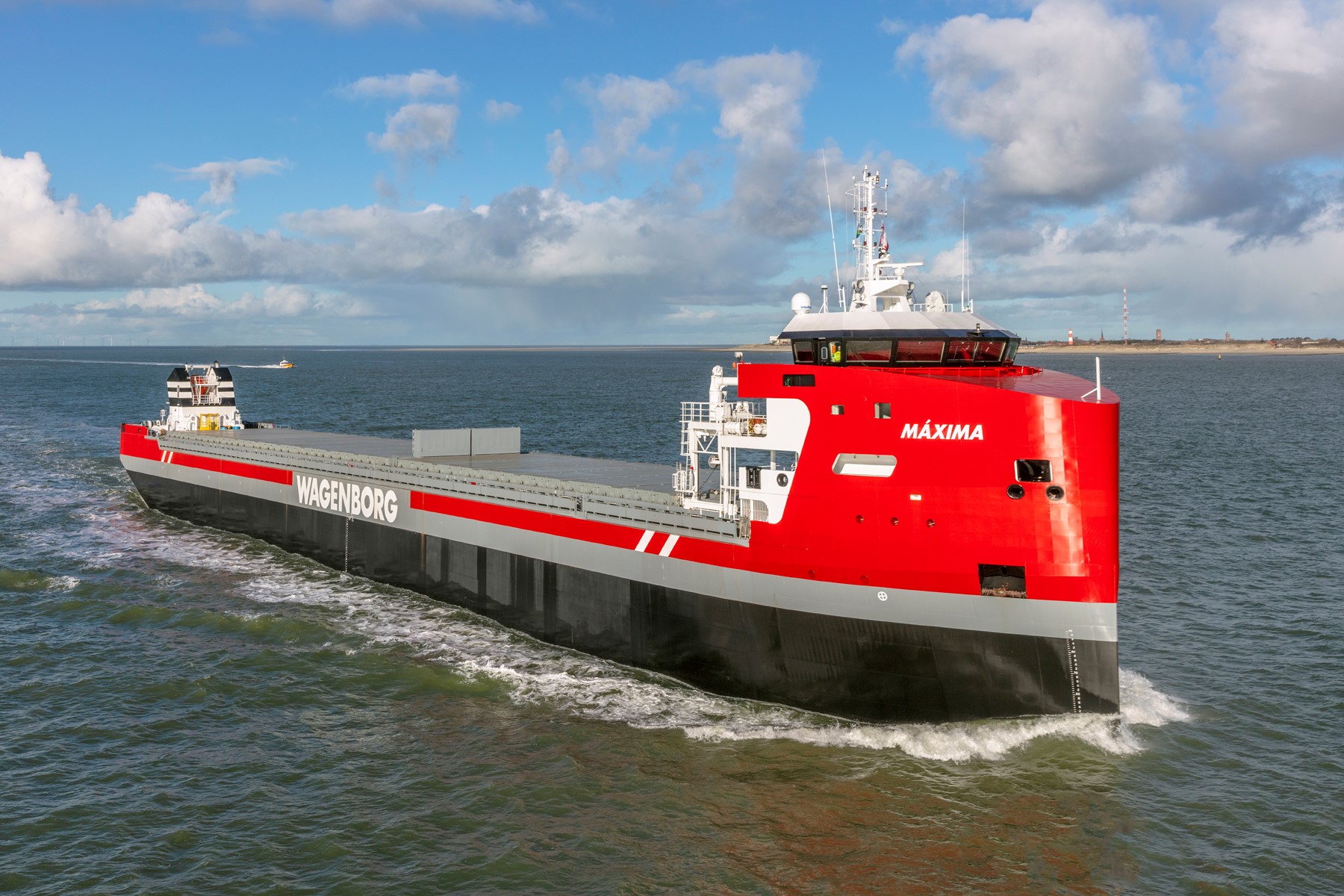
The Three Charter Types
Ship chartering is built around three main structures: voyage charter, time charter, and bareboat charter, each designed to serve different commercial and operational needs. A voyage charter is typically used for single shipments where the vessel is hired for one specific voyage, with the shipowner responsible for the vessel, crew, and operational execution. A time charter, on the other hand, allows the charterer to use the vessel for a fixed period while the shipowner retains technical and crew management responsibilities. This structure provides flexibility for businesses with ongoing cargo requirements. A bareboat charter is the most extensive arrangement, where full operational control, including crew and maintenance, is transferred to the charterer. Each structure carries its own level of responsibility, cost implications, and operational control, making it essential to choose the right type based on commercial needs.
Charter Party Agreements
The charter party is the legal foundation of any chartering agreement and defines all commercial and operational terms between the shipowner and charterer. It outlines critical elements such as freight rates, laytime conditions, cargo obligations, vessel performance standards, and dispute resolution mechanisms. While standard contract templates such as GENCON or NYPE are widely used, most agreements include customized clauses that reflect the specific requirements of each deal. These additional clauses can significantly impact financial and operational responsibilities, which is why careful review is essential before finalizing any fixture.
Laytime and Demurrage
Laytime and demurrage are among the most important financial concepts in shipping chartering and often the source of disputes. Laytime refers to the agreed time allocated for loading and discharging cargo, while demurrage is the penalty charged when operations exceed this agreed timeframe. Delays can arise from port congestion, documentation issues, or cargo readiness problems. Without proper monitoring and documentation, these delays can result in substantial additional costs for charterers. Understanding how laytime is calculated and ensuring accurate time records during port operations is essential for avoiding disputes.
Freight Rate Negotiation
Freight rates are highly dynamic and influenced by global supply and demand, vessel availability, cargo type, and trade route conditions. Effective negotiation requires not only market awareness but also timing and strong relationships with brokers and operators. In tight markets, freight rates increase due to vessel scarcity, while oversupply conditions can create opportunities for more competitive pricing. A well-informed chartering approach ensures better commercial outcomes and reduces exposure to market volatility.
Strofilia Marine CO Support
Strofilia Marine CO provides end-to-end chartering support, including vessel sourcing, charter party review, fixture coordination, laytime monitoring, and demurrage management. Our role is to ensure that every chartering arrangement is commercially sound, operationally feasible, and clearly structured to protect our clients’ interests from negotiation through execution.
Final Thought
Successful chartering depends on expertise, attention to detail, and market understanding. Professional support ensures smoother negotiations and better commercial outcomes.